The primary goals of the project were to stabilize the channel bed and banks, restore a natural sediment transport regime, enhance stream and riparian habitat, improve water quality, and reduce sediment management costs. The project added large wood to the system, increasing hydraulic roughness and complexity, creating pools, adding cover, and improving streambed conditions for salmon and macroinvertebrates. Swan Creek has a salmon population, mainly Chum and coastal cutthroat trout. The habitat improvements aim to increase Coho and Chinook populations over time. Multiple types of large wood structures were installed to stabilize the stream reach. The structures blocked a large portion of the channel, substantially increasing roughness, raising channel bed elevation, increasing available channel width and cross-sectional area, and reducing stream flow velocity. The large wood structures were installed with heavy machinery, by hand labor, and by helicopter. To encourage native vegetation establishment, particularly along the stream corridor, the project included a large 20-acre riparian planting effort. The project was successfully completed in the summer of 2025 through a collaborative approach with stakeholders, a highly innovative design that was cost-effective and supportive of natural processes, and with the skill, experience, and efficiency from the construction team.
Fish Passage & Stream Restoration
Swan Creek Channel Restoration Phase I
Pierce County · Tacoma (Swan Creek Park)
Awards
-
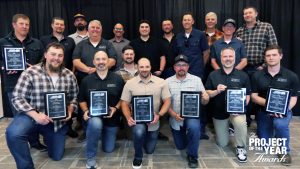
Public Works Project of the Year Award: Less than $5M (Environment) (2026)
Job Specific
ACI was honored for the Swan Creek channel restoration in Tacoma.
Through stakeholder collaboration and the efforts of a highly skilled team Swan Creek Channel Restoration Project restored approximately 2.5 miles of Swan Creek, with a focus on restoring a natural sediment transport regime and improving stream and riparian habitat by adding large wood to the system stabilize channel bed and banks and improve channel conditions for salmon and macro invertebrates.